
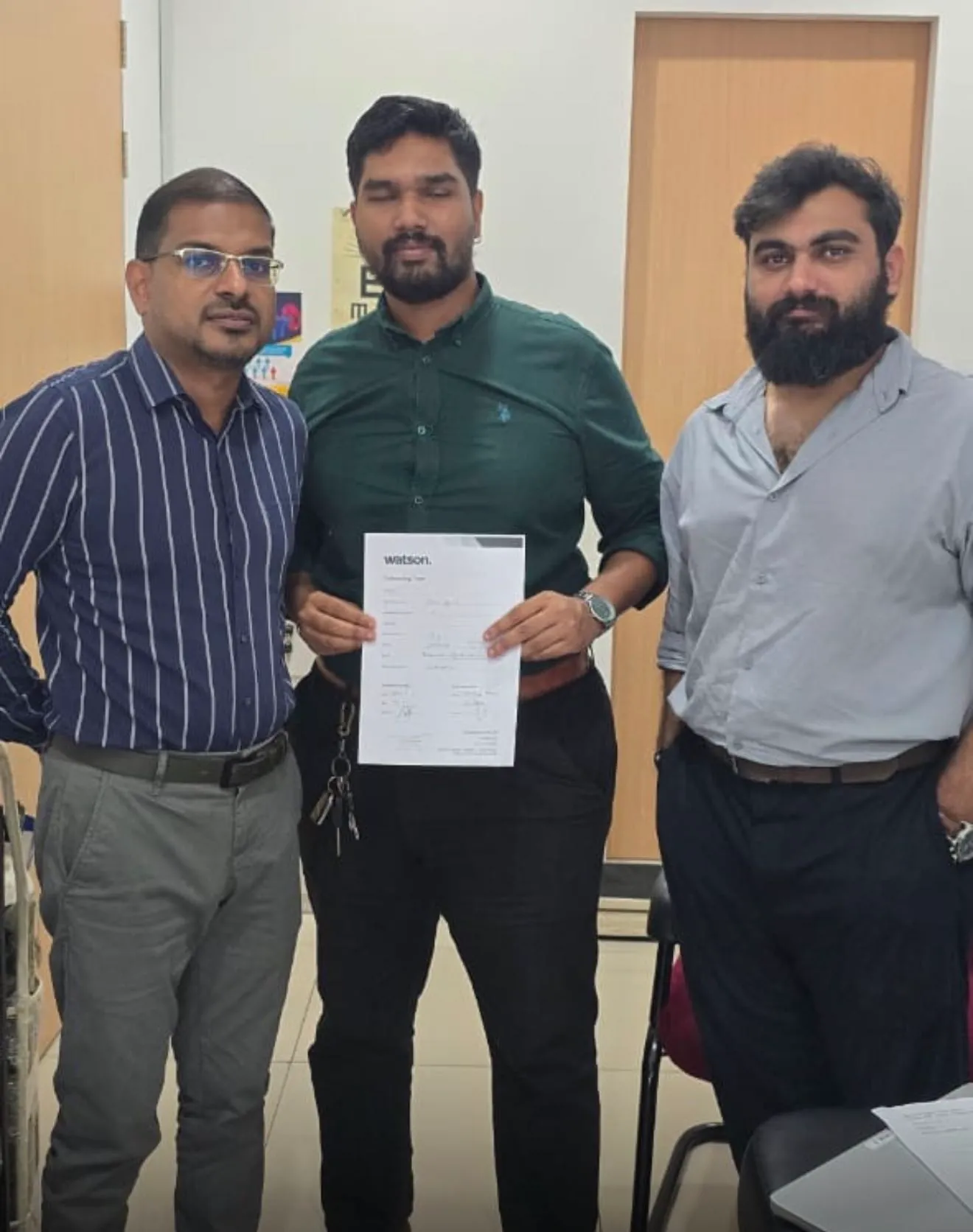
Klinik Segara Solaris Dutamas sits on the ground floor at D4-G4-6, off Jalan Dutamas 1, in the block of shops and offices that runs under Publika. It is a general practice, and like every general practice in Kuala Lumpur it has a phone that rings more often than anyone can pick it up.
As of this month the phone is answered. So is the WhatsApp, and the Instagram message, and the enquiry that arrives at ten past eight on a Sunday night when the clinic has been shut for seven hours. Klinik Segara has put Watson on its front desk.
The leak nobody has time to look at
Revenue leak in a clinic is not dramatic. Nothing breaks. No one complains. It is simply the arithmetic of a front desk with two hands and a waiting room in front of it.
A patient calls while the nurse is taking a blood pressure. It rings out. That patient does not call back an hour later, because there are four other clinics within walking distance of Publika and one of them will answer. A second patient sends a WhatsApp at nine in the evening asking whether the clinic does a particular procedure and how much it costs. It is read the next morning, at which point the question has already been answered by somebody else. A third books, means to come, and forgets, because nothing reminded them and nobody had the twenty seconds to call.
None of those three show up in any report. There is no line in the day's takings that says what did not happen. That is what makes the leak hard to argue with and easy to ignore: the clinic never sees the patients it did not get.
There is no line in the day's takings that says what did not happen.
A clinic is closed for more hours of the week than it is open, and that is before anyone takes a lunch break or a public holiday. The enquiries do not observe the opening hours.
What changed at the counter
Watson now answers the clinic's calls and its messages, in the languages its patients actually use, and it does not queue behind whatever is happening in the room. It takes the enquiry, answers what it can from what the clinic has taught it, and books the appointment straight into the calendar rather than promising that somebody will call back.
A call that comes in while the line is busy, or after the clinic has closed, gets a message back rather than a voicemail nobody plays. Bookings get a reminder before the day, which is the cheapest intervention there is against a no-show. Where a deposit is appropriate, it can be taken in the same conversation, through the payment methods Malaysians already use rather than a card form nobody fills in on a phone.
Afterwards, the part clinics almost never get to: the follow up. The patient who was told to come back in six months, the one whose review is due, the one who has simply stopped coming. Watson keeps that list and works it, so the clinic's own patients are the first place it looks for the next appointment.
The staff did not have to change how they work. The bookings land in the same calendar they were already reading. What went away is the part of the job that was never really the job: the ringing phone, the unread message, the reminder call at the end of a long day.
Dr. Jegathisan's argument
Dr. Jegathisan Kalidas holds an MBBS from AIMST University and practises general and family medicine at the clinic. His range is broad, which is the ordinary reality of Malaysian general practice: general ailments and endocrine disorders in the same session as a minor procedure, a dermatological complaint, a weight management conversation, an older patient who wants to talk about sleep.
That range is the reason the front desk matters to him. A doctor who covers that much ground is a doctor whose time is the constraint on how many people get seen properly, and every minute spent on an appointment that could have been booked automatically is a minute not spent with someone in the room.
It is also, on his account, a question of care rather than throughput. A patient who cannot get through is not a lost sale, they are somebody who needed something and did not get it. A recall that never goes out is a chronic condition reviewed later than it should have been. Adopting Watson was, for him, the same decision as any other clinical investment: put the capacity where the patients are.
It takes a certain confidence for a practising doctor to be early on something like this. Klinik Segara is among the first clinics in Kuala Lumpur to hand its front desk to an AI system, and being first means having the argument with yourself before anyone else has made it for you.
How it went in
Setup is done on site, not over email. A Watson engineer goes to the clinic, connects the practice's own phone number and its WhatsApp, sets up the front desk display, and walks the doctor and the counter staff through the dashboard until they can run it without help. Nothing is switched on until every channel has been tested answering, in the clinic, with the people who will use it standing there.
Watson learns the clinic before it speaks for it. Services, prices, hours, which doctor does what, what to say when someone asks a question the clinic would rather answer itself. A front desk that guesses is worse than one that does not answer, so the knowledge goes in first and the phone is handed over second.
What we will report, and what we will not
This is the beginning of the story, not the result of it. Watson has been on the clinic's front desk for a matter of weeks. Anything published now about recovered revenue, calls answered or no-shows prevented would be a number we made up, and a made up number is worth less than no number at all.
What can be said is what the system is doing: answering, booking, reminding, collecting where appropriate, and following up. When there is enough history to say what that has been worth to Klinik Segara, this page will carry it with the working shown.
Watson is built in Kuala Lumpur, for Malaysian clinics, dental practices, spas and wellness businesses. It speaks the languages the country speaks and takes the payments the country uses. Klinik Segara Solaris Dutamas is one of the practices it now answers for.