
Founded in 1997 and operating since 2002, Poliklinik Shaik is the clinic group of AlShaik Group, established by Datuk Dr. Ameen Shaik Bin Sehu Mohamed and built from a single shop lot practice into a multi storey polyclinic and the network around it.
The group operates eight branches across Selangor, Kuala Lumpur and Perak, with 21 doctors and more than 100 staff. It runs general practice alongside executive health screening, physiotherapy, occupational health, wound care and dietetics, and serves corporate clients as well as families, including clinics inside PROTON and Panasonic facilities. Its record includes The Star Outstanding Business Award for Best in Corporate Social Responsibility and Best in Marketing in 2021, and the Malaysian Excellence Business Award for Excellence in Healthcare Services in 2019.
A group at that size is asking a different question from a single clinic. Not how to grow, but how to hold one standard of care and service steady across every location, every channel and every hour it is open, while management keeps a clear view of all of it.
Poliklinik Shaik has onboarded Watson to implement end to end patient and clinic operations across its network: a standard patient experience at every branch, connected clinic operations behind it, and group wide visibility for management.
What a group of eight branches asks of its front desk
A group that has reached eight branches has already solved the difficult part. The doctors are good, the patients return, the corporate panels renew. What changes at that size is not the quality of the medicine. It is the clinic experience and how the same standard has to hold across the network.
Eight branches is eight front desks, eight phone lines, eight inboxes, and eight versions of a good day.
Each branch is excellent on its own terms. Each branch also answers its own phone, keeps its own appointment book, and has its own way of handling the patient who calls after hours, the patient who needs a reminder, and the patient who was supposed to come back in three months and did not.
None of that is a failure. It is what happens when a group grows one good clinic at a time. But it means the group experiences itself as several separate operations that share a name, and the person at the top has to hold the view across all of them in their head.
The things that never reach a report are the expensive ones. The call that rang out at one branch on a Tuesday afternoon. The message that arrived at nine at night and got an answer the next morning, by which time the patient had booked elsewhere. The screening package someone asked about at one branch and was quoted differently at another. Nothing broke, nobody complained, and the group never sees the patients it did not get.
Why Poliklinik Shaik brought this to Watson
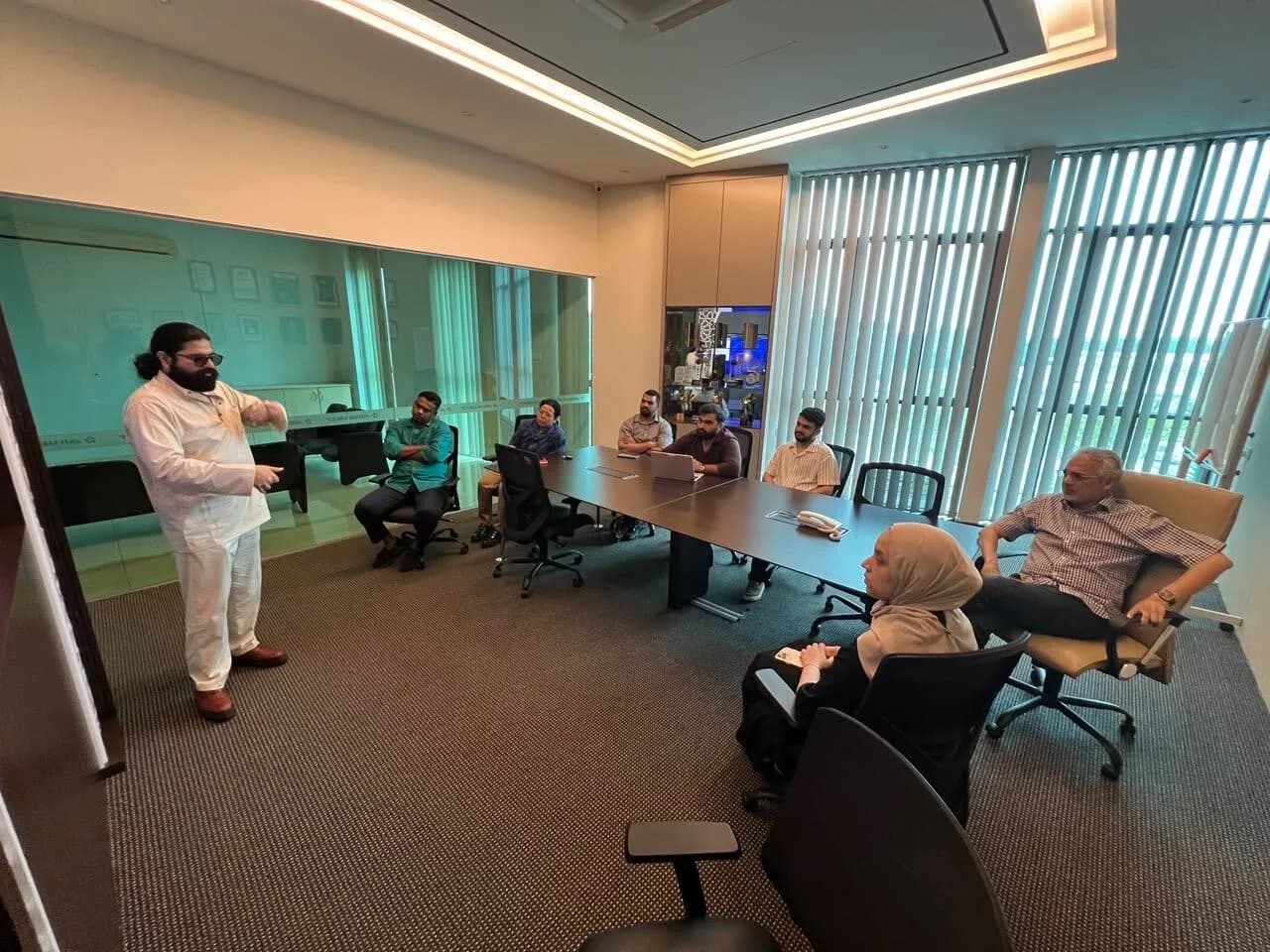
Team Watson was called to the HQ of AlShaik Group. The ask was simple: stay at the top, and provide best in class services to patients across the group.
The initial discussions were with the Poliklinik Shaik team, including Dr. Zahidah and Mr. Alex Lee.
At first they thought Watson was just another chatbot. That is a fair first assumption and the most common one we meet, because clinics have been offered a lot of reply boxes. They were pleasantly surprised to find a complete business suite built to manage the entire patient lifecycle and the operations behind it.
As the discussion progressed, the team started to see the bigger picture. Watson was not just about handling patient enquiries. It was about connecting every part of the clinic experience, and giving the group a way to manage how patients move through the clinics, how teams operate, and how management sees what is happening across every branch.
For a leading group like Poliklinik Shaik, that was the real opportunity. An end to end system that standardises the patient experience across branches, strengthens operational efficiency, and gives management complete visibility across the group.
How patients move through the clinics
The patient journey starts before anyone walks in. It starts with a question, on the phone, on WhatsApp or on a social account, and it usually arrives when the counter is already busy or already closed.
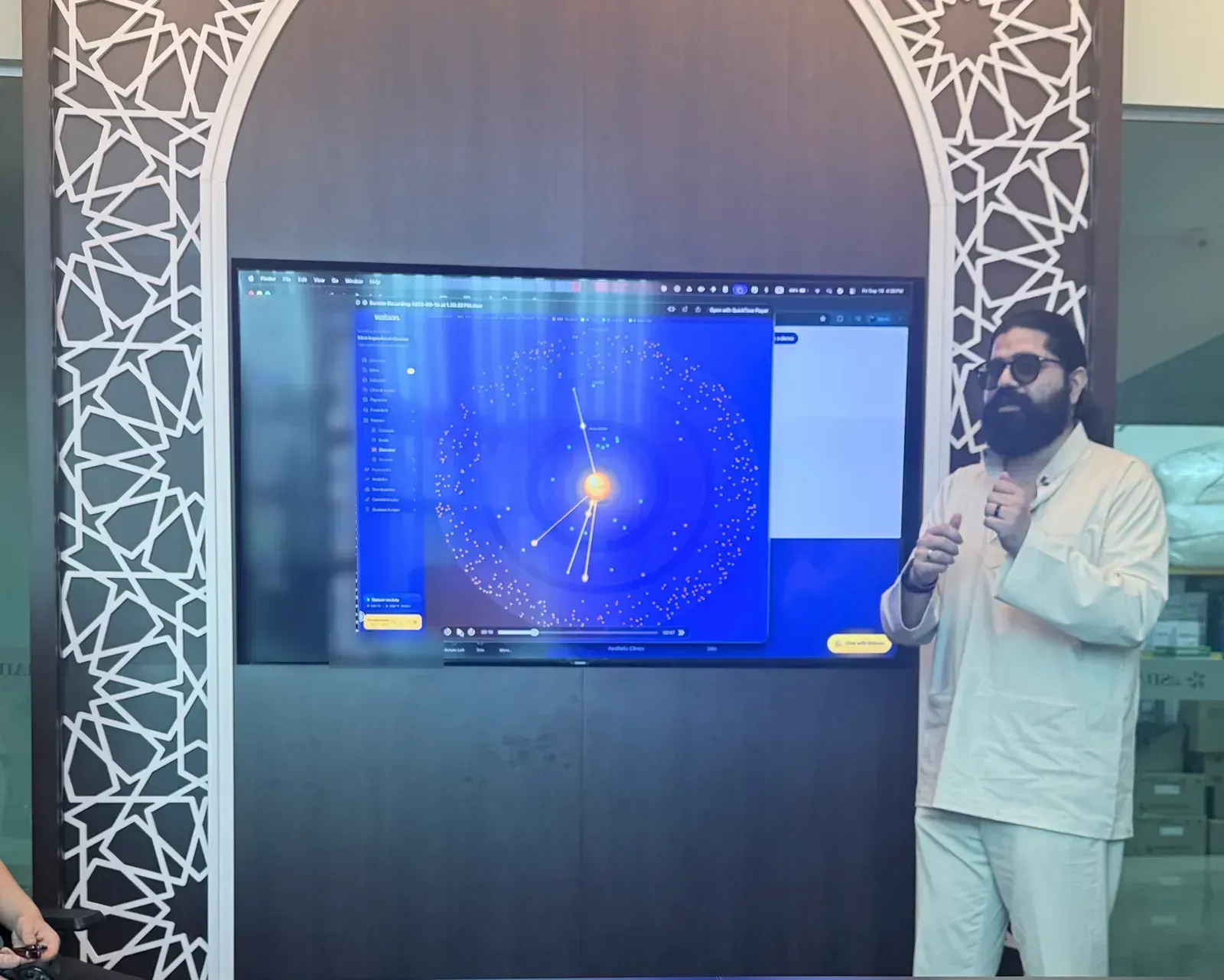
Watson answers on every channel it is given, in English, Bahasa Melayu, Mandarin and Tamil, on calls and in writing, and it does not stop at the end of the working day. It answers what a screening includes, what physiotherapy costs, which branch offers it and when the next opening is, and then it books the appointment rather than promising someone will call back.
Every conversation lands in one inbox instead of eight. The patient who called one branch on Monday and messages another on Thursday is the same patient, with the same history attached, whichever branch and whichever channel they chose. Staff take over any conversation the moment they want it, and hand it back.
After the visit the journey continues. Reminders go out before appointments without anyone remembering to send them, and the patients who are due back are followed up as routine rather than when someone finds a free afternoon. Recalls are where clinic revenue quietly leaves, because nothing goes wrong when a patient simply never returns.
That is what standardising the patient experience means in practice. The same answer, the same speed and the same follow up, whether the patient reached the HQ, a neighbourhood branch or a corporate site.
How teams operate
The second half is the work behind the counter, and it decides whether a busy morning feels controlled or chaotic.
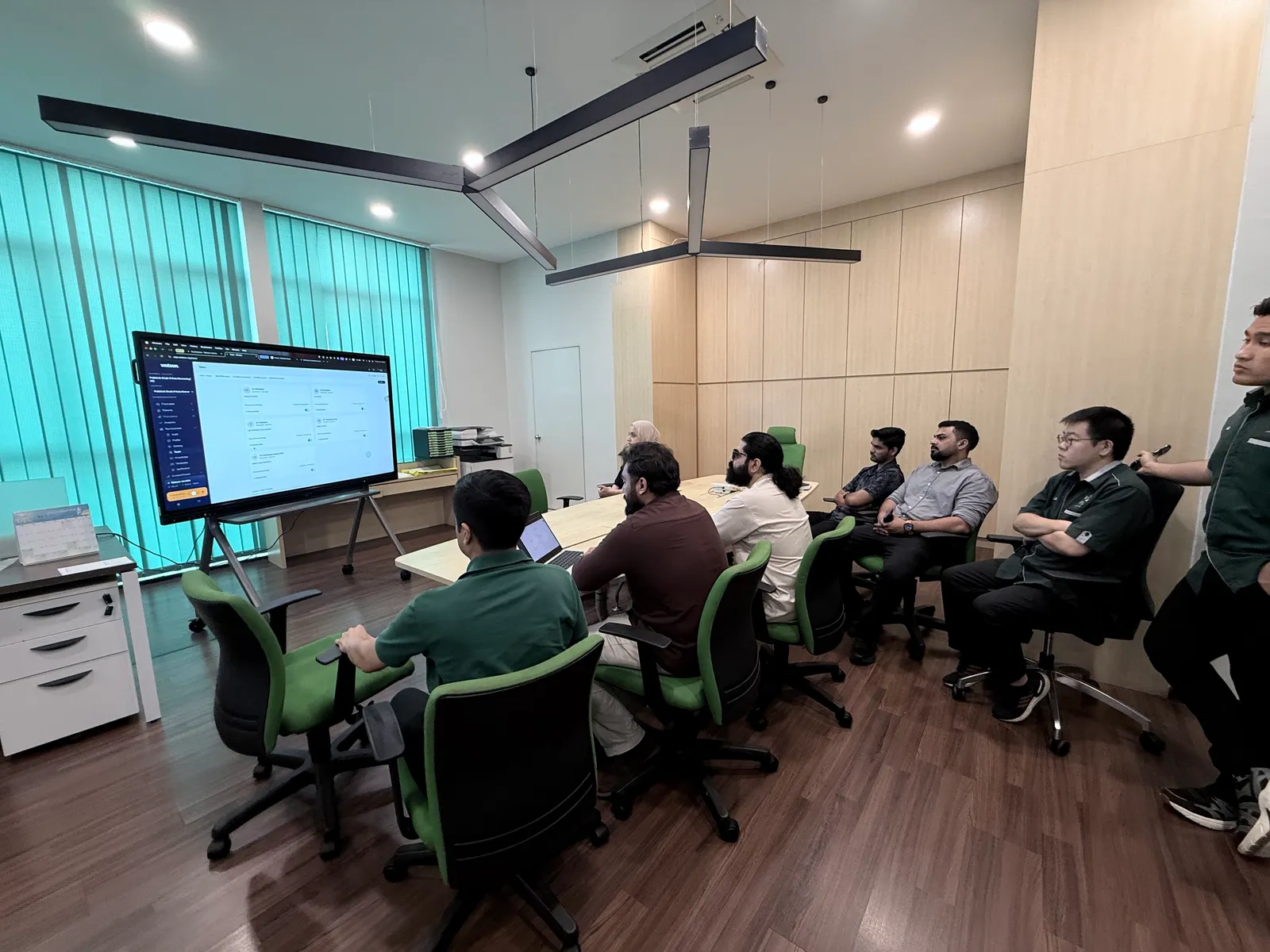
Walk ins and appointments share one queue, so the front desk works from one view of the day rather than reconciling a book against the people in the waiting area. Clinical records are with the patient, so a doctor at one branch is not starting from a blank page for someone the group has seen for years. Billing and payments are part of the visit rather than a separate exercise at the end of it, which matters more in a group with corporate panels than in a single clinic.
Each branch keeps its own practitioners, its own schedule and its own operating details, and staff work in the clinic they are assigned to. That is the balance a group has to strike: local operations that stay local, on top of one system that behaves the same way everywhere.
What management sees across the group
The third part only exists once the first two are connected.
Activity across every branch comes together in one place, so the central team can see what is happening, filter it by location, and open the detail when something needs attention. That is a different thing from everyone seeing everything.
Reporting across the group covers calls, messages, leads, bookings, follow ups, promotions and the operational signals around them. Every call is logged and transcribed, with what was asked, what was answered and what was booked beside it, because handing routine front desk work to a system is only worth doing if what it said can be checked afterwards.
The same figures read two ways. A branch manager sees their own week. Management sees the group, and can tell the difference between a quiet branch and a quiet month.
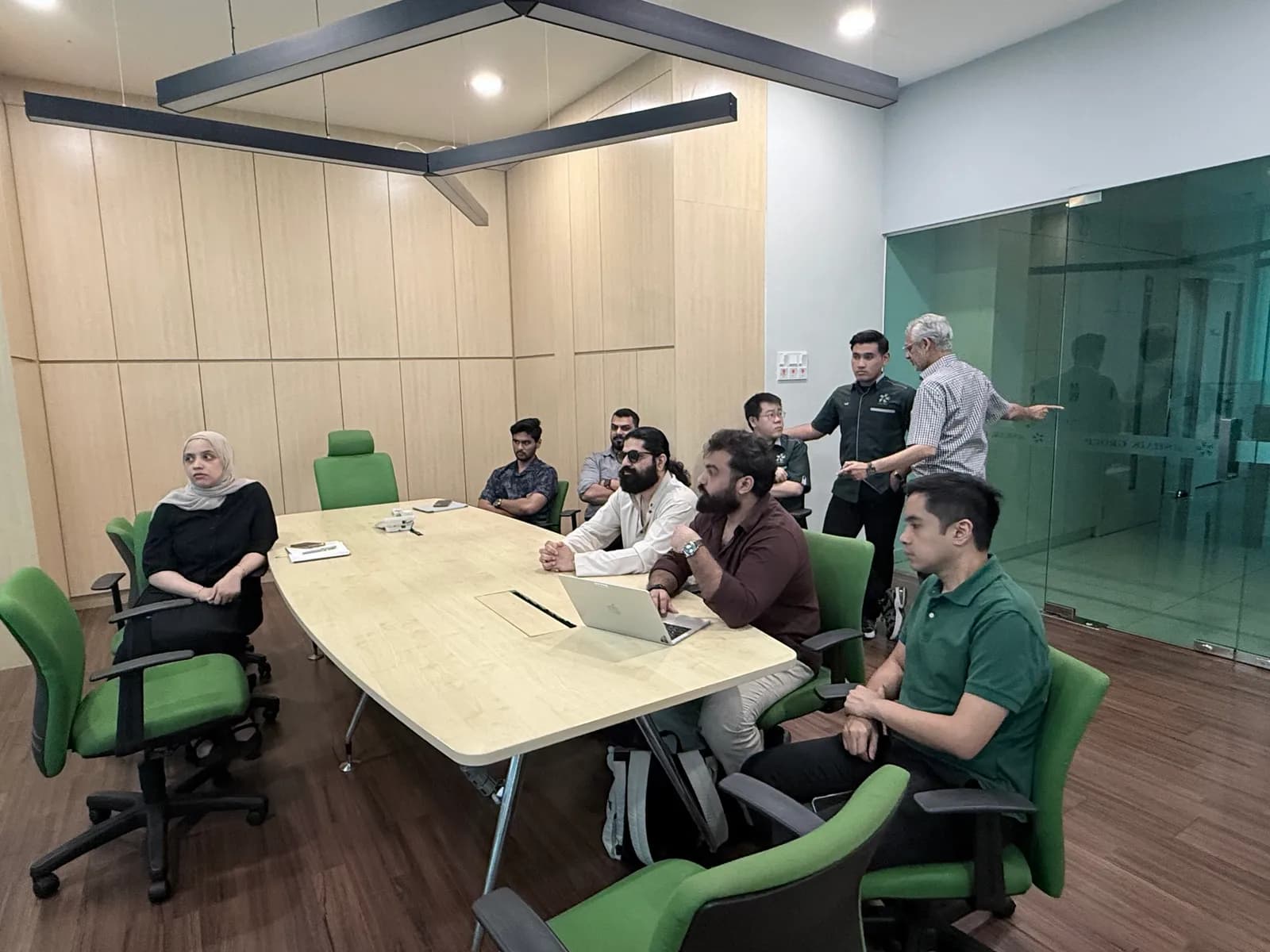
On top of that, Watson’s Business Advisor looks across the whole picture and says something about it. Which service is moving, which branch is quiet, which campaign to which patients did nothing, where the diary has room next week. It is the work a growing group rarely has a free afternoon to do.
Why Datuk asked to meet the team
That opportunity caught Datuk Dr. Ameen’s attention, and after being briefed on the discussion he asked to meet the team himself.
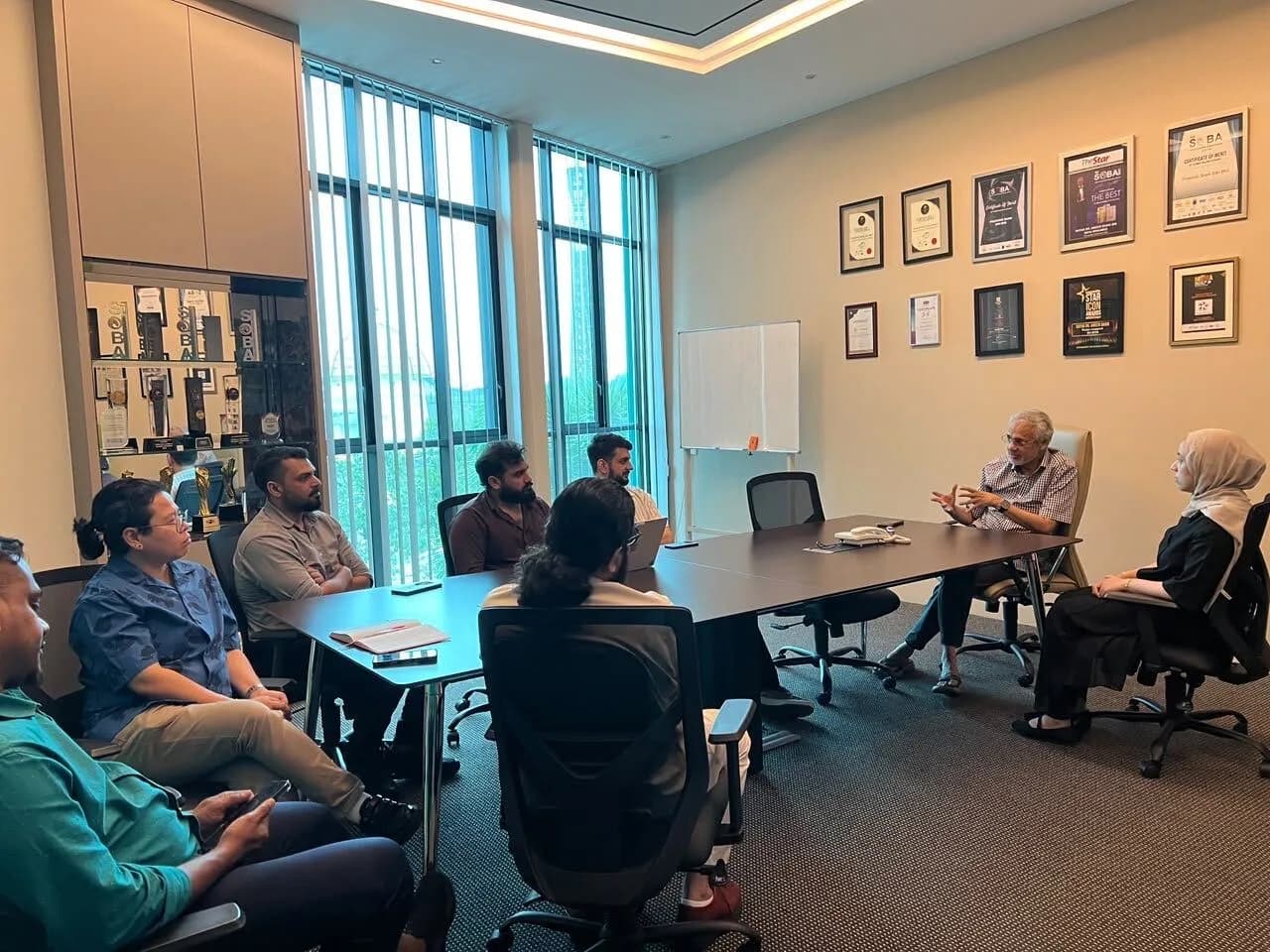
For Datuk, the conversation was not about introducing another piece of technology into the business. It was about how Poliklinik Shaik could deploy Watson to strengthen what had already made the group successful, and build the infrastructure needed for its next stage of growth.
That is an unusual way to open a technology conversation, and it is the right one. Technology that ignores what a business already does well tends to replace the wrong things. A group that has spent more than two decades building a standard of care is not looking for a new standard. It is looking for a way to hold the existing one steady across more locations than any one person can watch.
That resonated with the Watson team, who shared their experience from more than 16 years of building technology businesses and helping companies use technology to grow and stay ahead.
The discussion then expanded into how Watson would be deployed across Poliklinik Shaik’s network as the operating layer for the complete patient and clinic lifecycle.
How Watson goes in
Watson learns the clinic before it speaks for it. Services, prices, hours, which doctor does what at which branch, what the corporate panels cover, and what should go to a person rather than be answered. A front desk that guesses is worse than one that does not answer, so the knowledge goes in first and the phone is handed over second.
Across a group that happens branch by branch, with the group structure set up around it so each location keeps its own details while management gets its view.
What we will report, and what we will not
Poliklinik Shaik has onboarded Watson. That is the news, and this piece goes no further than that.
There is no recovered revenue figure here, no percentage of calls answered and no no show rate, because nobody has measured them at Poliklinik Shaik yet. When there are results, they will be reported with the method attached and with the group’s agreement. A number without its working is marketing wearing a report’s clothes.
Staying at the top looks like this: constantly looking for what can work better. Poliklinik Shaik is already a leader in its space, and Datuk’s focus is on making sure it stays one.
Watson is built in Kuala Lumpur for Malaysian businesses that run on appointments, and it speaks the languages the country speaks.
Welcome to Watson, Poliklinik Shaik. Because the great never settle for good.

Related reading
Subang Jaya Medical Centre’s Rehabilitative Services engages watson.my
Klinik Segara Solaris Dutamas puts Watson on the front desk